
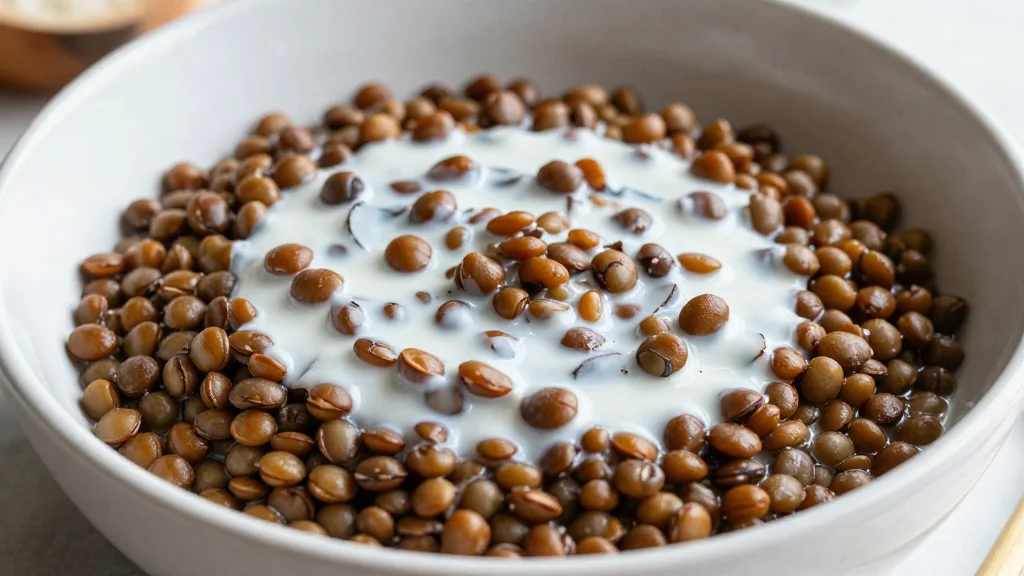
Curried lentils with coconut milk has become my absolute go-to dinner when I need something that feels like a warm hug in food form. I’ve been making this for years and honestly, I used to overcomplicate it so much. Adding a million spices, trying fancy techniques, and generally making a mess of my kitchen. These days? I’ve stripped it down to the essentials and—surprise!—it actually tastes better. Funny how that works. It’s creamy, deeply spiced but not spicy (unless you want it to be), and somehow manages to be both humble pantry food and impressive enough to serve to friends.
Table of Contents :
How This Recipe Saved My Weeknight Dinner Struggles
I first started making curried lentils with coconut milk during that weird phase of my life when I was trying to eat less meat but hadn’t figured out how to make vegetarian food that actually felt satisfying. You know what I mean? Where you eat a pile of vegetables and then find yourself hunting through the fridge an hour later because you’re still hungry? Yeah, that phase.
The first few times I made this, I burned the spices (rookie mistake), used the wrong type of lentils (they turned to complete mush), and once—I’m still embarrassed about this—I accidentally used sweetened coconut milk from the drink section instead of the cooking kind. That was… interesting. Let’s just say my dinner guests were very polite about my “innovative dessert curry.” But after some serious trial and error, I figured out that the secret is actually simplicity. Let the lentils and the curry flavors do their thing without overcomplicating it. Now I make this at least twice a month, and it’s different every time depending on what vegetables I need to use up or what kind of day I’ve had (extra chile flakes on stressful days, trust me).
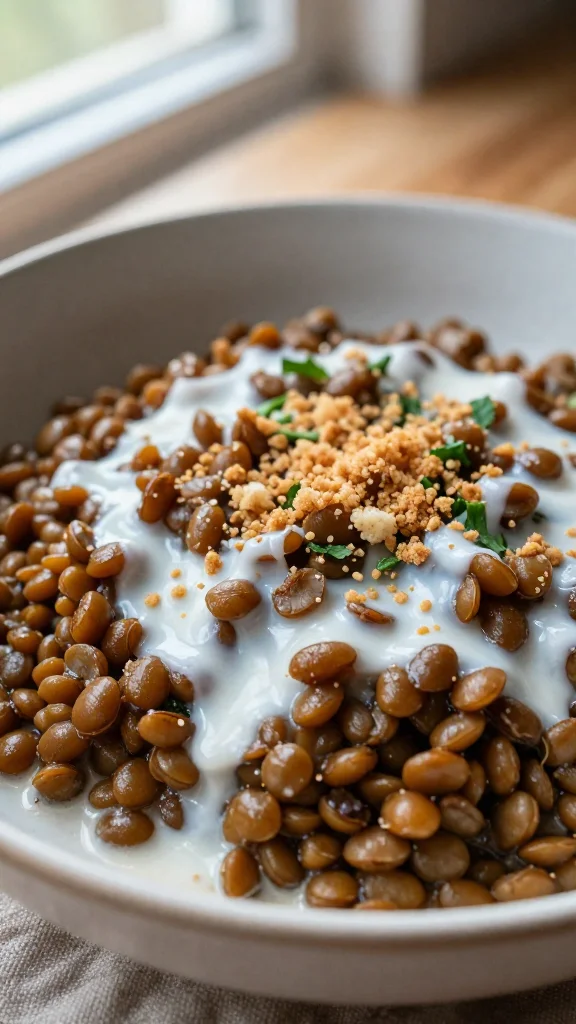
Ingredients for Curried lentils with coconut milk
What I love about this recipe is that it mostly uses stuff that’s already hanging out in my pantry. Even when my fridge is looking pretty sad, I can usually pull this off without an emergency grocery run. The core ingredients stay the same, but I’ll note where you can substitute or adjust based on what you have available. Because let’s be honest, nobody’s driving to three different stores for a weeknight dinner.
The foundation of this dish is really the trinity of lentils, curry spices, and coconut milk. Everything else is negotiable. I’ve made this when I was down to my last onion and had zero fresh herbs, and it was still delicious. I’ve also made super-fancy versions with homemade curry paste and farmers market vegetables. The beauty is in its flexibility.
Red Lentils (1 cup)
These are non-negotiable for me. Red lentils cook quickly (about 20 minutes) and break down beautifully to create that creamy texture we’re after. Don’t substitute brown or green lentils here—they hold their shape and take forever to cook. If you can only find yellow lentils, those work fine too—they’re basically the same thing. No need to soak them, just give them a good rinse to remove any dust or debris. I buy mine in bulk from the international foods aisle—way cheaper than those tiny packages.
Full-Fat Coconut Milk (1 14-oz can)
Please, please use the full-fat kind that comes in a can. The light version or carton coconut milk just doesn’t create that rich, velvety texture. I’ve tried to be “healthy” with light coconut milk before and always regretted it. Store brand is totally fine here—I’ve never noticed a massive difference between fancy and basic coconut milk once it’s cooked into the lentils. Just make sure you give the can a good shake before opening it (or stir well if it’s separated).
Curry Powder (2-3 tablespoons)
Here’s where I have opinions. I’ve tried making this with individual spices (measuring out cumin, coriander, turmeric, etc.), and honestly? For weeknight cooking, a good curry powder blend saves time and still tastes amazing. My favorite is this medium-spicy Madras curry powder I found at an Indian grocery, but regular supermarket curry powder works too. It does lose potency over time though, so if yours has been in the cabinet for years, you might need to use more or buy fresh. The color should be vibrant, not dusty-looking.
Onion and Garlic (1 medium onion, 3-4 cloves of garlic)
These create the flavor foundation. Yellow, white, or even red onions all work. I’ve used shallots in a pinch too. For garlic, fresh is best, but—confession time—I’ve definitely used the pre-minced stuff from a jar on particularly exhausting days and lived to tell the tale. If you have neither, a teaspoon of garlic powder added with the curry powder will work in an emergency. The dish loses some complexity, but it’s still good.
Vegetable Broth (2-3 cups)
I use whatever I have—sometimes homemade if I’m feeling fancy, more often the boxed kind, and occasionally just water with a bouillon cube. The amount varies depending on how thick you like your lentils. I prefer mine with some sauciness to them, especially if I’m serving over rice, so I usually go with around 3 cups. If you don’t have broth, water works with maybe a bit more salt and an extra spoonful of curry powder.
Optional Add-ins
This is where I play depending on what needs using up. Diced carrots, bell peppers, spinach, kale, sweet potatoes, frozen peas—they’ve all made appearances. Just add harder vegetables like carrots earlier in the cooking process, and leafy greens in the last few minutes. A handful of cilantro or a squeeze of lime at the end brightens everything up, but I’ve forgotten both plenty of times and still had a delicious meal.
Instructions for Curried lentils with coconut milk
The process here is pretty straightforward, but there are a couple of key moments where your attention really matters. The biggest one is when you’re blooming the spices—that’s where the magic happens, but also where things can go sideways if you’re not paying attention. Ask me how I know. (Hint: I’ve scraped many blackened spices into the trash over the years.)
This whole thing comes together in about 30-40 minutes, but only about 15 of that is active cooking. The rest is just occasional stirring while you do other things like help with homework, catch up on emails, or in my case, try to keep the cat from knocking things off counters for sport.
Sauté the aromatics until they’re soft and fragrant.
Start by warming a couple tablespoons of oil (olive, coconut, whatever you have) in a large pot over medium heat. Toss in your diced onion with a pinch of salt and cook for about 5 minutes until it’s soft and translucent but not brown. Your kitchen should start smelling good, but not amazing yet—that comes next. Add the minced garlic and cook for another minute. Don’t walk away during this part because garlic burns in approximately 2.5 seconds and there’s no coming back from that bitter disaster. Trust me, I’ve tried to salvage burned garlic. It doesn’t work.
Bloom your curry powder to wake up the flavors.
This is THE critical step. Add your curry powder to the onion-garlic mixture and stir constantly for about 30-60 seconds. It should become intensely aromatic—like, walk-into-the-room-and-immediately-know-what’s-cooking aromatic. You’ll see the spices darkening slightly and sticking to the onions. This is called “blooming” and it releases all those essential oils in the spices. But watch carefully! If you smell anything burning or see the spices turning dark brown rather than just deepening in color, immediately move to the next step. I’ve ruined entire pots by letting the spices go too far. The line between perfectly bloomed and burned is thin.
Add your lentils and liquid, then let them do their thing.
Dump in your rinsed red lentils and stir them around to coat with the spice mixture—this only takes about 30 seconds. Then pour in your vegetable broth (or water) and give everything a good stir, making sure to scrape up any spices stuck to the bottom of the pot. Those browned bits are flavor gold. Bring it all to a boil, then reduce to a simmer. This is a good time to add any hard vegetables like carrots or potatoes. Then partially cover the pot and let it bubble away for about 15-20 minutes, stirring occasionally so the lentils don’t stick to the bottom. They’ll start to break down and thicken—this is exactly what we want.
Add the coconut milk and finish cooking until creamy.
When the lentils are soft but still have a slight bite, pour in your coconut milk and stir well. The color will transform into this gorgeous golden-orange and everything will look creamier immediately. Let it simmer for another 5-10 minutes uncovered, stirring occasionally. During this final cooking stage, the flavors meld and the texture becomes silky. If it’s looking too thick, splash in a bit more broth or water. Too thin? Let it simmer a few extra minutes to reduce. This is also when I add any quick-cooking vegetables like spinach or frozen peas. They need just a minute or two to heat through.
Taste and adjust until it’s perfect for YOU.
This is where I think a lot of recipes fall short—they don’t emphasize how important final seasoning is. Grab a spoon and really taste it. Need more salt? Add it. Want more curry flavor? Sprinkle in a bit more curry powder. Like heat? Add red pepper flakes or cayenne. Need brightness? Squeeze in some lime juice. The difference between good and AMAZING is often just these final adjustments. I usually find myself adding an extra pinch of salt and sometimes a drizzle of honey if my curry powder is on the bitter side. Make it work for your taste buds, not mine.
Tips & Variations for Curried lentils with coconut milk
This reheats beautifully for 3-4 days in the fridge, and actually gets better as the flavors meld. It does thicken considerably when chilled, so add a splash of water when reheating. For a richer version, try adding a tablespoon of butter at the very end—it sounds weird with coconut milk, but it adds this incredible richness. If you eat meat, crispy bacon or chorizo crumbles on top are ridiculously good. For vegan protein boosts, I sometimes top with roasted chickpeas or cashews. And don’t forget serving options—rice is classic, but it’s also amazing with naan, or inside a baked sweet potato if you’re feeling creative.
Final Thoughts on Curried lentils with coconut milk
This isn’t one of those fancy, complicated recipes that’s going to win cooking competitions, but I genuinely make it more than almost anything else in my rotation. It’s forgiving, adaptable, and somehow manages to be exactly what I need whether I’m cooking for just myself after a long day or hosting friends for a casual dinner. The leftovers have saved my lunch hour more times than I can count.
If you try making these curried lentils with coconut milk, I’d love to hear how they turn out for you! Did you add any vegetables I didn’t think of? Find a curry powder blend you’re obsessed with? Let me know in the comments—I’m always looking to improve my own version of this recipe.
Curried Lentils with Coconut Milk
Curried lentils with coconut milk has become my absolute go-to dinner when I need something that feels like a warm hug in food form. It's creamy, deeply spiced but not spicy, and manages to be both humble pantry food and impressive enough to serve to friends.
Ingredients
- 1 cup red lentils
- 1 can (14 oz) full-fat coconut milk
- 2-3 tablespoons curry powder
- 1 medium onion, diced
- 3-4 cloves garlic, minced
- 2-3 cups vegetable broth
- Optional add-ins: diced carrots, bell peppers, spinach, kale, sweet potatoes, frozen peas
Instructions
- Step 1Warm a couple tablespoons of oil in a large pot over medium heat. Sauté the diced onion with a pinch of salt for about 5 minutes until soft, then add minced garlic and cook for another minute.
- Step 2Add the curry powder to the onion-garlic mixture and stir constantly for about 30-60 seconds until aromatic.
- Step 3Stir in the rinsed red lentils and pour in vegetable broth. Bring to a boil, reduce to a simmer, partially cover the pot, and cook for about 15-20 minutes.
- Step 4Once lentils are soft, stir in the coconut milk and simmer uncovered for another 5-10 minutes.
- Step 5Taste the dish and adjust seasoning as necessary with salt or additional spices.