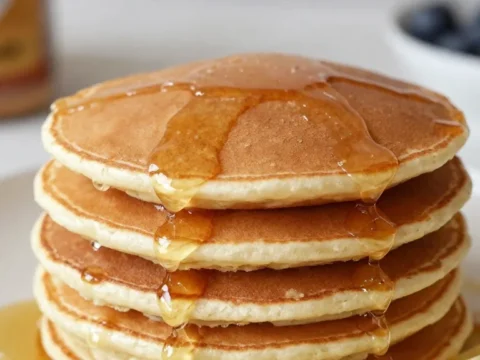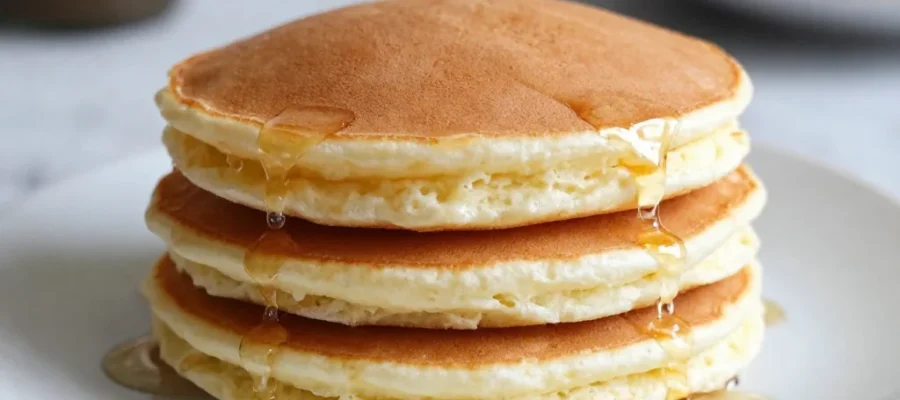
So I’ve been perfecting this fluffy pancake recipe for years, and honestly, most online versions are either too complicated or just don’t deliver the bakery-style fluffiness they promise. These pancakes actually puff up thick and soft—like the kind you get at those fancy brunch places where you wait an hour for a table. The secret isn’t some weird ingredient or complicated technique, it’s just understanding how to treat your batter right and not overthink the whole thing.
Table of Contents :
Why These Pancakes Actually Work
Look, I’m gonna be honest—I burned through probably fifteen different pancake recipes before landing on this one. Most were either flat as crepes, tough as rubber, or required separating eggs and folding whites like I’m making a soufflé at 7 AM. No thanks. I needed something that worked on a Tuesday morning when I’m half-awake and the kids are complaining.
The breakthrough came when I stopped following recipes that treated pancake batter like bread dough. Pancakes want to be tender and airy, which means minimal mixing and the right chemical reactions happening. I finally figured out the perfect ratio of leavening agents and liquid that creates those thick, fluffy pancakes without any fussy techniques. My neighbor actually asked if I’d bought them from somewhere, which is basically the highest compliment my cooking has ever received.
Ingredients fluffy pancake recipe
The ingredient list looks pretty standard, but the amounts and quality actually matter more than you’d think for getting that bakery-style fluffiness. I’ve learned that cheap baking powder makes flat pancakes, and the milk temperature can make or break your texture. Don’t worry though—nothing here is exotic or expensive, just regular grocery store stuff used the right way.
I always keep these ingredients stocked because weekend pancakes have become a non-negotiable tradition in our house. The whole thing comes together in about 20 minutes once you’ve got everything measured out, which is perfect for those lazy Saturday mornings when you want something special but don’t want to spend an hour in the kitchen.
All-Purpose Flour (2 cups)
Regular all-purpose flour works perfectly here—no need for cake flour or anything fancy. I use King Arthur because it’s consistent, but whatever you’ve got will work. Don’t sift it unless you’re feeling ambitious; I just fluff it with a fork before measuring. The key is not to overmeasure—too much flour makes dense pancakes. Level off your measuring cup with a knife for best results.
Baking Powder (3 teaspoons)
This is where the fluffiness magic happens, so don’t skimp on quality or amount. Check your expiration date—old baking powder is why most homemade pancakes fall flat. I replace mine every six months religiously after learning this lesson the hard way. Three teaspoons seems like a lot, but it’s what creates those thick, bakery-style pancakes that don’t deflate when you look at them.
Sugar (3 tablespoons)
Just enough sweetness to balance the tang from the buttermilk and help with browning. I use regular white sugar, but brown sugar works too if you want a slightly deeper flavor. Don’t skip this—it’s not just for sweetness, it also helps create that golden-brown exterior we’re going for when they hit the hot griddle.
Salt (1 teaspoon)
Salt brightens all the flavors and balances the sweetness. I use regular table salt, nothing fancy. It might seem like a lot, but pancakes without enough salt taste flat and boring. Trust me, you won’t notice it as “salty,” you’ll just notice that everything tastes better and more developed.
Buttermilk (1¾ cups)
The tanginess of buttermilk reacts with the baking powder to create extra lift, plus it adds this subtle flavor depth that regular milk can’t match. I buy the small cartons and use what I need—it keeps for weeks. If you don’t have buttermilk, add a tablespoon of lemon juice to regular milk and let it sit for 5 minutes. Won’t be quite the same, but it works.
Eggs (2 large)
Room temperature eggs mix better and create a smoother batter, but honestly, I forget to take them out half the time and cold eggs work fine too. I just whisk them a bit more thoroughly. The eggs add richness and help bind everything together while keeping the texture tender. Fresh eggs make a difference if you’ve got them.
Melted Butter (4 tablespoons)
Melted and slightly cooled butter adds richness without making the pancakes greasy. I melt mine in the microwave in 30-second bursts, then let it cool while I mix the dry ingredients. Don’t add it too hot or you’ll cook the eggs. Vegetable oil works too, but butter tastes better and helps with that golden-brown color.
Vanilla Extract (1 teaspoon)
Pure vanilla makes everything taste more homemade and bakery-like. I splurge on the real stuff because the flavor difference is noticeable in simple recipes like this. The imitation vanilla works in a pinch, but if you’re making pancakes from scratch, might as well use the good vanilla and make them taste amazing.
Instructions fluffy pancake recipe
Here’s the thing about pancake batter—it wants to be lumpy. I know that sounds wrong, but smooth batter means you’ve overmixed it, and overmixed batter means tough pancakes. The whole process takes maybe 10 minutes of actual work, then you’re just cooking them up. Don’t stress about making them perfect; even wonky-shaped homemade pancakes taste better than the fancy restaurant ones.
The key to consistent results is getting your griddle temperature right and not flipping too early. I learned to be patient the hard way after destroying several batches by flipping them when they looked ready but weren’t actually set. Now I wait for the bubbles and never have pancake disasters.
Mix your dry ingredients in a large bowl.
Whisk together the flour, baking powder, sugar, and salt in a big mixing bowl. I use a regular whisk and just stir until everything looks evenly distributed—no need to be perfect about it. Make sure there aren’t any baking powder clumps hiding in there, because nobody wants to bite into a pocket of bitter powder. This takes about 30 seconds of casual whisking.
Combine wet ingredients separately.
In a measuring cup or smaller bowl, whisk together the buttermilk, eggs, melted butter, and vanilla until everything’s combined. The mixture might look a little weird with the buttermilk and melted butter, but that’s normal. Just whisk it until you don’t see streaks of egg white floating around. Room temperature ingredients mix easier, but don’t stress if things are cold.
Pour wet into dry and barely mix.
This is where people usually mess up—dump the wet ingredients into the flour mixture and stir just until you can’t see dry flour anymore. The batter should look lumpy and rough, not smooth. I use a wooden spoon and maybe 15-20 gentle stirs. If you can still see a few streaks of flour, that’s better than overmixing. Smooth batter equals tough pancakes, remember that.
Let the batter rest while your griddle heats.
Set the batter aside and heat your griddle or large skillet over medium heat. The resting time lets the flour hydrate and the leavening start working—you’ll actually see the batter puff up slightly. This takes about 5 minutes, which is perfect timing for getting your cooking surface ready. Test the temperature by flicking a drop of water on it; it should sizzle and evaporate quickly.
Cook the pancakes without rushing.
Lightly grease your griddle and pour about ¼ cup of batter per pancake. Don’t spread it around—just let it settle into its own shape. Cook until you see bubbles forming all over the surface and the edges look set, about 2-3 minutes. The bubbles will pop and leave little holes, and that’s your cue that they’re ready to flip. Resist the urge to peek underneath early.
Flip once and finish cooking.
Flip each pancake carefully with a wide spatula—they should be golden-brown and smell amazing. Cook the second side for about 1-2 minutes until it’s golden too. The second side always cooks faster than the first. You’ll know they’re done when they spring back lightly when pressed in the center. Keep finished pancakes warm in a 200°F oven if you’re cooking a big batch.
Tips & Variations fluffy pancake recipe
These reheat surprisingly well in the toaster—better than the microwave which makes them gummy. Store leftovers in the fridge for up to three days, or freeze them with parchment paper between each pancake. For blueberry pancakes, add about ¾ cup of berries after you pour the batter onto the griddle, not into the batter itself. If yours don’t look like perfect Instagram circles, that’s completely normal—homemade pancakes have character.
Final Thoughts fluffy pancake recipe
Look, these aren’t going to win any beauty contests, but they’re thick, fluffy, and actually taste like something worth getting up early for. The texture is what you’d expect from a good diner—substantial enough that two pancakes fill you up, but light enough that you don’t feel like you swallowed a brick. Plus, they’re way better than anything from a box mix.
Give this fluffy pancake recipe a try and let me know how they turn out in your kitchen. I’m always curious if other people’s griddles run hot or cold compared to mine, because that seems to be the biggest variable in pancake success.
Fluffy Pancake Recipe
This fluffy pancake recipe delivers bakery-style pancakes that are thick, soft, and perfect for a special breakfast.