
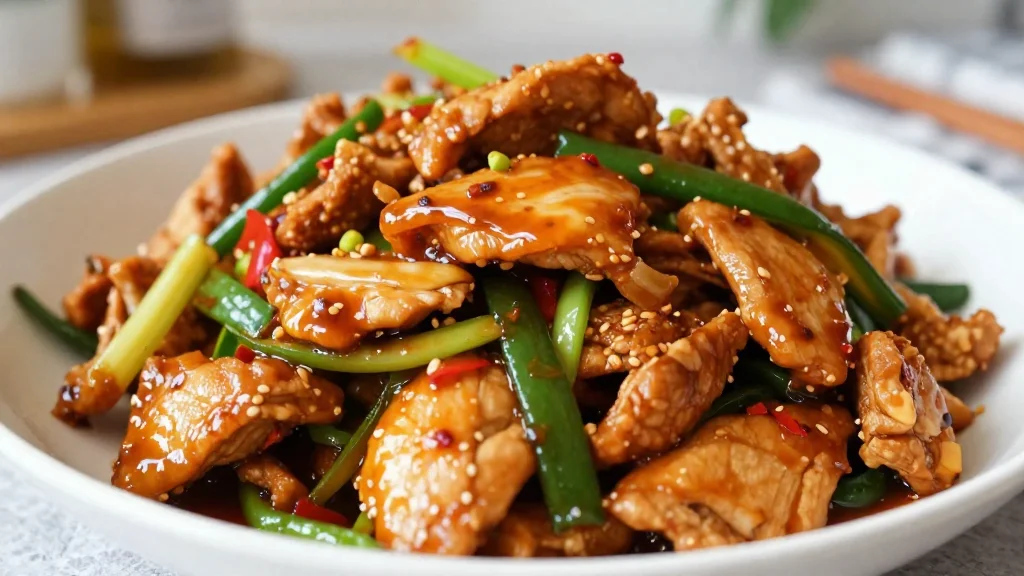
Quick chicken stir-fry has absolutely saved my dinner plans more times than I can count. You know those evenings when you stare blankly into your fridge at 5:30pm wondering what the heck you’re going to feed everyone? That’s when I reach for this recipe. It’s become my back-pocket solution for those nights when takeout is tempting but my budget (or my guilt about another delivery order) says otherwise. The best part? It takes less time to make than waiting for delivery, and it’s endlessly customizable based on whatever sad vegetables are wilting in your crisper drawer.
Table of Contents :
How This Recipe Saved My Weeknight Sanity
I stumbled across this quick chicken stir-fry method about three years ago during a particularly chaotic week when my meal plan completely fell apart. I was staring at a package of chicken thighs that needed to be used ASAP and a random assortment of vegetables. My first attempt was…well, edible, but nothing special. The sauce was watery, the chicken was somehow both dry AND undercooked in spots, and everything kind of tasted the same.
After that mediocre first attempt, I spent way too many evenings tweaking this recipe. The breakthrough came when I finally stopped trying to follow those complicated stir-fry recipes that call for seventeen ingredients I didn’t have. Instead, I focused on technique (high heat! don’t overcrowd!) and creating a simple sauce from pantry staples that actually delivers big flavor. Now it’s in regular rotation, and I’ve made it for everyone from picky kids to judgmental in-laws. Even my neighbor—who lived in China for five years—asked for the sauce recipe, which I consider a major win for a thrown-together weeknight meal.
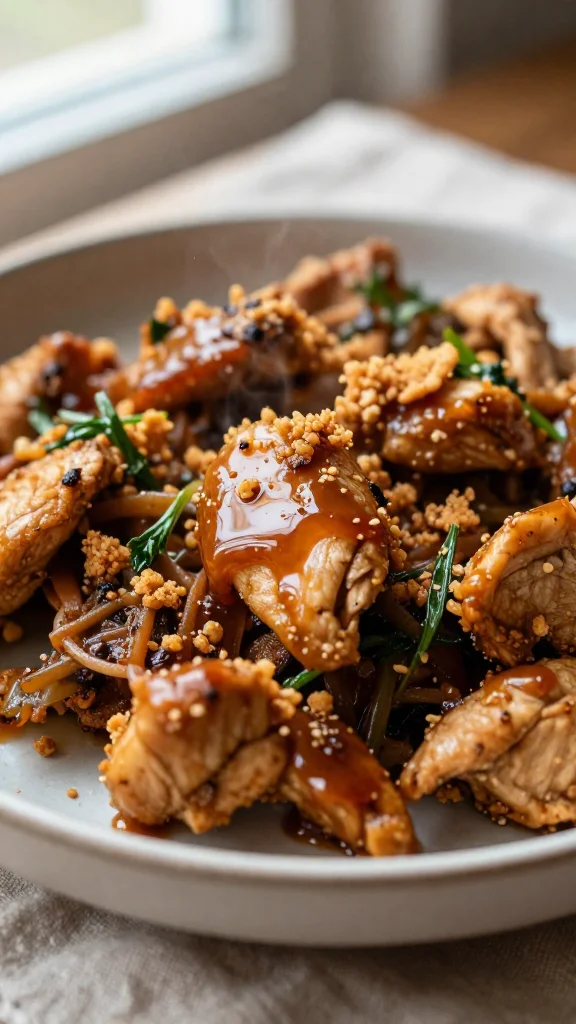
Ingredients Quick chicken stir-fry
The beauty of a good stir-fry is that you don’t need a fancy grocery list. In fact, when I’m making a quick chicken stir-fry, I deliberately keep things simple. The secret is understanding which ingredients are non-negotiable for flavor and which ones you can swap based on what you have. I’ve made this with everything from pristine farmers market veggies to the sad carrots and half an onion hiding in my produce drawer.
One thing I’ve learned the hard way: prep everything before you start cooking. Stir-frying moves FAST, and there’s nothing worse than frantically chopping broccoli while your chicken overcooks. Trust me on this—I’ve ruined dinner this way more times than I care to admit.
Boneless Chicken Thighs (about 1 pound)
I always choose thighs over breasts for stir-frying because they’re way more forgiving. If you overcook chicken breast by 30 seconds, it’s like chewing on cardboard. Thighs stay juicy. That said, if you only have chicken breasts, they’ll work—just be extra vigilant about not overcooking them. Cut the chicken into bite-sized pieces, but don’t obsess over making them perfectly uniform.
Vegetables (about 4 cups, mixed)
Here’s where you can really clean out the fridge. My standard mix is bell pepper, broccoli, and carrots, but I’ve thrown in everything from sugar snap peas to zucchini to those pre-sliced mushrooms that were about to go bad. The only rule is to cut everything into similar-sized pieces so they cook evenly. Hard vegetables like carrots should be sliced thinner than soft ones like zucchini.
Soy Sauce (3 tablespoons)
This is the foundation of our super simple sauce. I use regular soy sauce, not the low-sodium kind—I tried that once and had to add salt anyway, which defeated the purpose. If you’re watching sodium, use the low-sodium version and adjust to taste. For a gluten-free option, tamari works perfectly. I’ve even used coconut aminos in a pinch, though the flavor profile shifts a bit.
Honey (1 tablespoon)
The touch of sweetness balances the salty soy sauce and adds that subtle glaze to the sauce. If you’re out of honey, brown sugar or maple syrup works too. Once I even used a spoonful of orange marmalade when I was desperate, and it was surprisingly good—added a nice citrus note that everyone loved.
Rice Vinegar (1 tablespoon)
This adds brightness to cut through the richness. If you don’t have rice vinegar, apple cider vinegar is my go-to substitute. White wine vinegar works in a pinch, but it’s a bit sharper. I’ve forgotten this ingredient before, and while the stir-fry was still good, it definitely lacked that perfect balance.
Garlic (2-3 cloves)
Fresh is best, but I’m not above using the pre-minced stuff from a jar when I’m in a hurry. The flavor isn’t quite as vibrant, but in a quick weeknight meal, convenience sometimes wins. If you use fresh, don’t bother with perfect mincing—rough chopping is fine since it’s going to cook quickly and infuse the oil.
Ginger (about 1 inch, grated)
This is technically optional, but it adds so much dimension to the sauce. I keep a knob of ginger in my freezer and grate it while frozen—no peeling required! If you don’t have fresh, half a teaspoon of ground ginger will work, but it’s not quite the same. I’ve skipped it when I didn’t have any, and while the stir-fry was still tasty, it lacked that special something.
Instructions Quick chicken stir-fry
The key to a successful quick chicken stir-fry is preparation and heat. Once you start cooking, things move FAST. The first time I made this, I was casually trying to chop vegetables while my chicken was already in the pan, and it was a disaster. Learn from my mistake: get everything prepped before you turn on the stove.
Another thing—your pan needs to be HOT. Like, really hot. I know it’s a little scary when things are sizzling aggressively, but that high heat is what gives you that restaurant-quality sear instead of sad, steamed chicken. If your pan isn’t hot enough, you’ll end up with a soupy mess. I’ve been there, and it’s disappointing. Also, resist the urge to stir constantly. Let things sit and sear for a moment.
Mix your sauce ingredients first.
Grab a small bowl and combine the soy sauce, honey, rice vinegar, half the garlic, and the ginger. Whisk it together with a fork until the honey is dissolved. This takes like 30 seconds, but it makes a huge difference doing it now versus trying to measure and add ingredients while your food is already cooking. I’ve learned this the hard way when I once burned the garlic while frantically measuring honey. The sauce can sit at room temperature while you prep everything else.
Prep all your ingredients before heating the pan.
Cut your chicken into bite-sized pieces—I aim for about 1-inch chunks, but don’t stress about making them perfect. Season with a pinch of salt and pepper. Then chop all your vegetables and place everything in separate piles on a cutting board or in bowls. Seriously, don’t skip this step. The cooking goes so quickly that if you’re still chopping vegetables when your chicken is in the pan, something’s going to burn. I set everything up like I’m on a cooking show, and it makes the process so much smoother.
Get your pan screaming hot, then add the oil.
Place a large skillet or wok over high heat and let it get hot—like, really hot. You should be able to hold your hand above it and feel the heat radiating up. This usually takes 1-2 minutes. Add about a tablespoon of neutral oil (I use vegetable or canola). The oil should shimmer immediately and flow quickly around the pan when you tilt it. If it starts smoking right away, your pan is too hot—pull it off the heat for a few seconds before proceeding.
Cook the chicken in batches if needed.
Add the chicken pieces in a single layer—don’t crowd them! This is critical. If you dump all the chicken in at once, it’ll steam instead of sear, and you’ll end up with rubbery, sad chicken sitting in a puddle of liquid. Been there, regretted that. Cook the first side without touching it for about 2 minutes until it’s golden brown. Then stir and cook another 1-2 minutes until just cooked through. The chicken should have nice caramelized spots. Remove it from the pan and set aside on a plate.
Cook the vegetables quickly and keep them moving.
Add a little more oil to the pan if needed, then toss in your harder vegetables first (like carrots and broccoli). Let them sear for about 30 seconds, then start stir-frying by tossing or stirring them around the pan. After about 2 minutes, add the softer vegetables and the remaining garlic. You want the vegetables to be crisp-tender, not mushy. They should still have some bite to them! If the pan seems too dry or things are starting to burn, add a tablespoon of water and let it sizzle away.
Bring it all together with the sauce.
Return the chicken to the pan with the vegetables. Give your sauce a quick stir (the honey might have settled), then pour it over everything. Toss everything together and let the sauce bubble and thicken slightly—this takes about 30-60 seconds. You’re looking for the sauce to coat everything in a light glaze, not pool in the bottom of the pan. If it’s too thin, let it bubble a bit longer; if it reduces too much, add a splash of water.
Tips & Variations Quick chicken stir-fry
If you want to make this ahead, you can prep all the components and store them separately. The sauce can be made up to a week in advance, and you can chop the vegetables the day before. Just don’t pre-cook anything until you’re ready to eat. Leftovers keep well for about 2-3 days, though the vegetables won’t be as crisp when reheated. Oh, and this recipe is endlessly customizable—add a spoonful of peanut butter to the sauce for a quick “peanut” stir-fry, or throw in some crushed red pepper flakes if you want heat. When I’m feeling fancy, I’ll add some toasted sesame seeds or chopped green onions on top.
Final Thoughts Quick chicken stir-fry
This quick chicken stir-fry has become my definition of “good enough cooking”—it’s not going to win any culinary awards, but it’s reliable, adaptable, and gets dinner on the table when my brain is too fried to think about anything complicated. Plus, it uses up random vegetables before they turn to science experiments in the back of my fridge, which makes me feel like a responsible adult.
If you try this recipe, I’d love to hear what vegetable combinations worked for you or if you came up with any killer sauce variations. Drop a comment below or tag me in your kitchen creations—seeing people actually make my recipes still feels surreal, and I genuinely want to know if this saved your dinner plans like it’s saved mine countless times!
Quick Chicken Stir-Fry with Simple Pantry Sauce
This quick chicken stir-fry is a reliable and adaptable weeknight meal that uses simple ingredients for a flavorful dish ready in no time.
Ingredients
- 1 pound boneless chicken thighs, cut into bite-sized pieces
- 4 cups mixed vegetables (e.g., bell pepper, broccoli, carrots, sugar snap peas, zucchini, mushrooms)
- 3 tablespoons soy sauce
- 1 tablespoon honey
- 1 tablespoon rice vinegar
- 2-3 cloves garlic, minced
- 1 inch ginger, grated
Instructions
- Step 1In a small bowl, combine soy sauce, honey, rice vinegar, half the minced garlic, and grated ginger. Whisk until honey is dissolved.
- Step 2Prepare chicken and vegetables, and place all ingredients in separate bowls for easy access.
- Step 3Place a large skillet or wok over high heat and let it get hot. Add neutral oil.
- Step 4Add chicken in a single layer, cooking for 2 minutes until golden brown, then stir and cook another 1-2 minutes until cooked through.
- Step 5Add harder vegetables first and sear for 30 seconds. Stir-fry for about 2 minutes before adding softer vegetables and remaining garlic.
- Step 6Return chicken to the pan, stir the sauce, and pour over everything. Toss until evenly coated and sauce thickens.